
Latest News.
Environment | Training | Auditing | ISEP
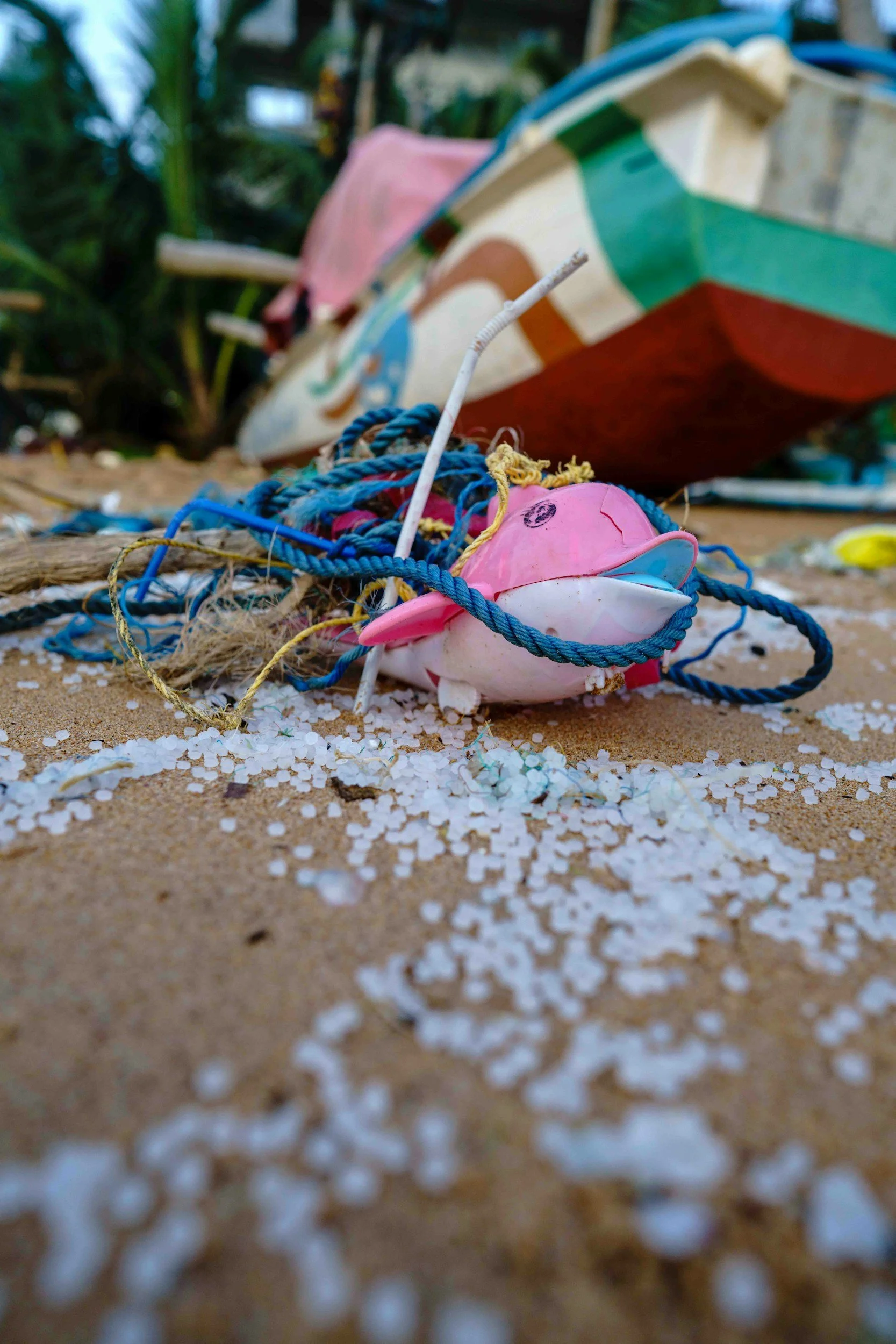
Goodbye Microplastics: EU Regulations Push Sustainable Alternatives
The EU microplastic ban regulations, introduced in 2023 under REACH, are driving industries across Europe to develop biodegradable alternatives to eliminate microplastics by 2035. These tiny synthetic plastics, found in cosmetics, laundry detergents, paints, and agricultural products, can persist for centuries, polluting oceans, soil, and even entering the human body. Companies are now innovating with natural materials like bamboo powder, nut shells, sugar crystals, and plant-based polymers that perform the same functions but decompose naturally.
The cosmetics industry has already widely adopted these alternatives, reformulating products like face scrubs and body washes, while paint and detergent makers are following suit with biodegradable binders and additives. These regulations are not only reducing pollution but also accelerating sustainable product development, fostering innovation, and demonstrating how policy can drive positive environmental change across multiple sectors.
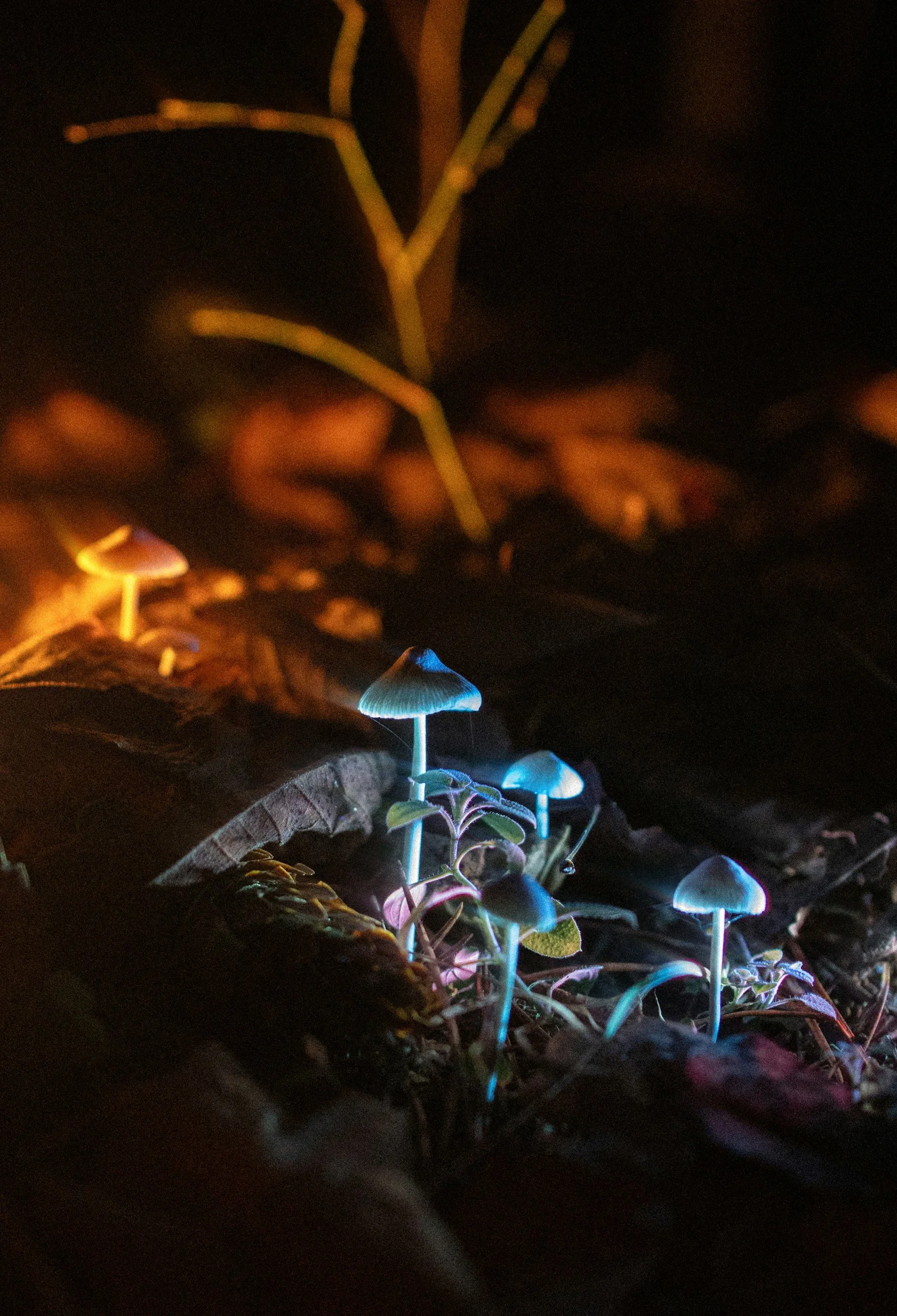
Plastic-Eating Fungi Discovered in Hawaii Waters
Scientists at the University of Hawaii have discovered that certain marine fungi found near Oʻahu can naturally break down polyurethane, a common plastic. This offers a promising biological solution to the severe problem of plastic pollution in oceans, which affects marine life, human health, and economies. The fungi, collected from diverse coastal habitats, showed an impressive ability to adapt and increase their plastic-degrading abilities over time. Led by Ronja Steinbach and Professor Anthony Amend, the research marks one of the first major studies into marine fungi's potential to tackle plastic waste. As only a tiny fraction of marine fungi have been studied, this discovery could pave the way for new, eco-friendly cleanup methods and contribute to global efforts to address plastic pollution.
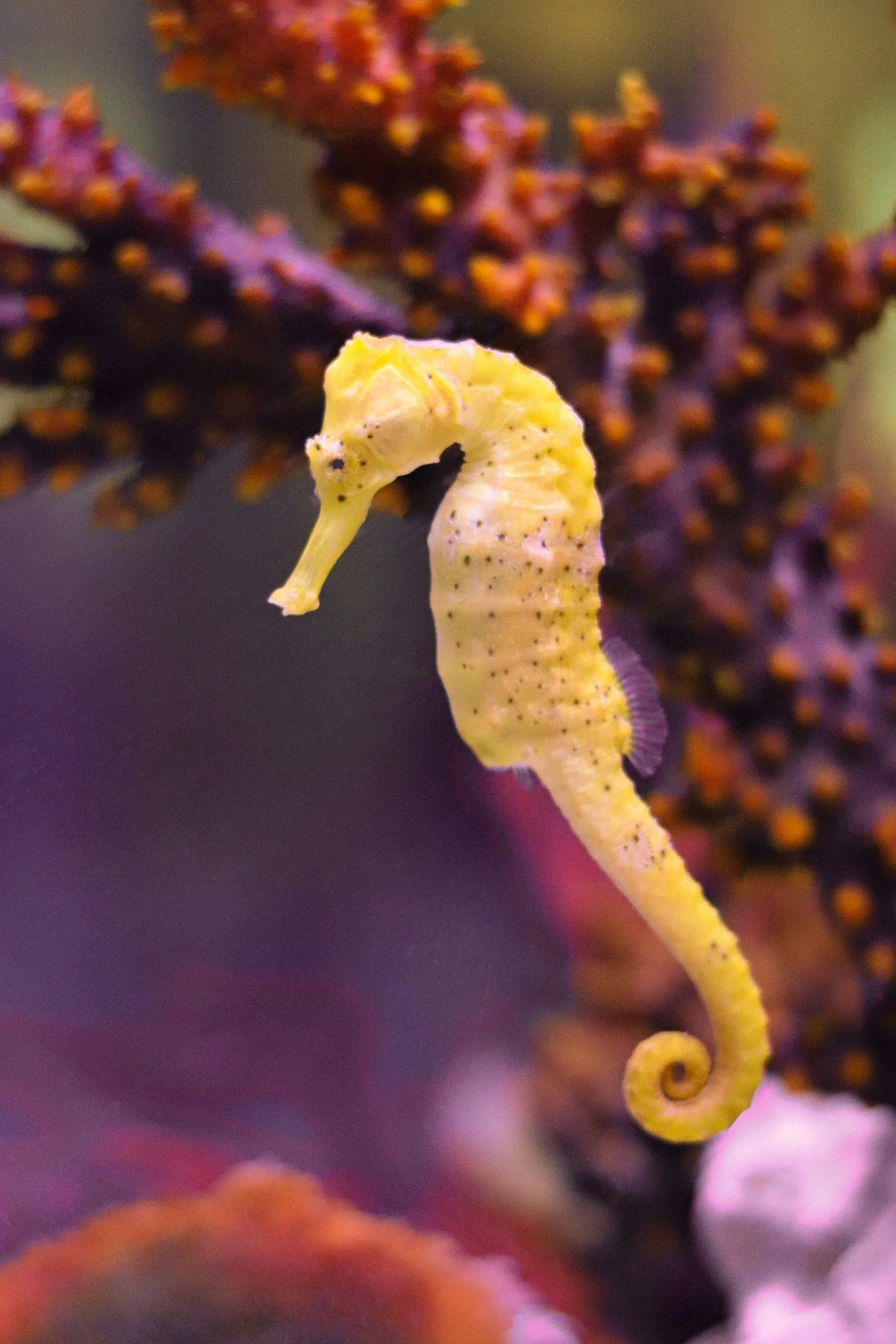
Surging seahorse populations in Dorset’s marine reserve
Following habitat improvements in Studland Bay, sightings of these shy marine creatures have increased noticeably.
Seahorse numbers in Dorset's Studland Bay are rising, with recent surveys recording record sightings and signs of breeding. Conservation efforts—like installing nearly 100 eco-moorings to protect seagrass habitats are proving successful. Backed by over £250,000 in funding and strong local partnerships, the project is helping seahorses thrive while raising public awareness through community action and art installations.

Scientists Discover Coral Gardens and New Species Near Antarctica
A 35-day deep-sea expedition to the remote South Sandwich Islands near Antarctica uncovered coral gardens, hydrothermal vents, and potentially new species in one of the most biodiverse parts of the Southern Ocean.

Three Ways to Increase Biodiversity at Work
1. Green Walls & Roof Gardens
Living walls and roof gardens enhance biodiversity while improving air quality and well-being. Green walls filter air and provide habitats, while roof gardens manage rainwater, reduce runoff, and create calming green spaces for employees…