
Latest News.
Environment | Training | Auditing | ISEP

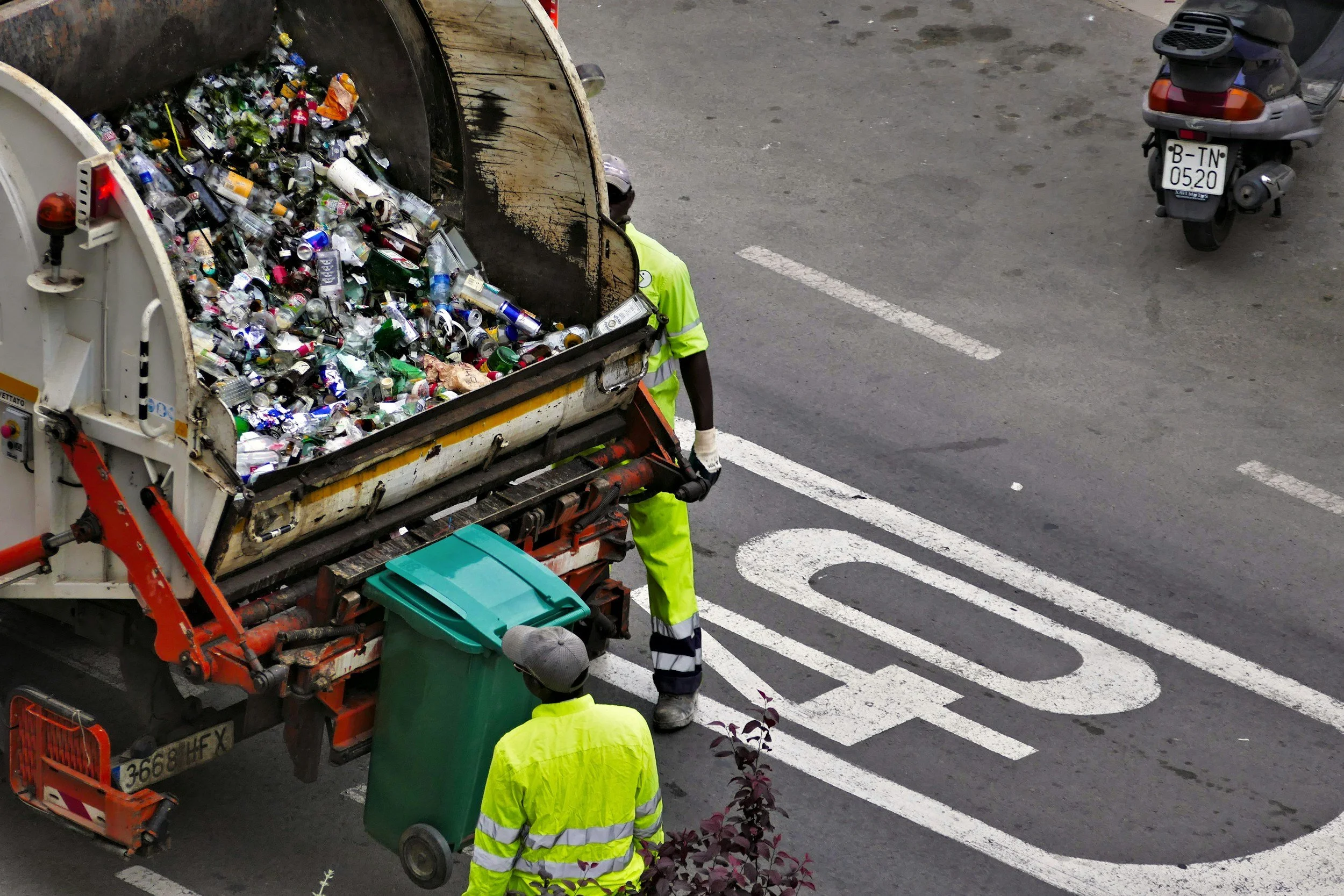
UK Digital Waste Tracking Law 2026: What Your Business Must Do Now
UK Digital Waste Tracking Law 2026: What Your Business Must Do Now
The UK is introducing a new Digital Waste Tracking Service from April 2026, transforming how businesses manage and report waste.
The system will require waste movements to be recorded digitally, improving transparency and helping regulators tackle illegal disposal. By October 2026, compliance will become mandatory for waste receiving sites, with wider industry rollout to follow…

Smart Heat Pumps Could Cut Energy Bills and Ease Pressure on UK Power Grid, Study Finds
A new UK study suggests smart heat pumps could significantly cut household energy bills while easing pressure on the national electricity grid, without sacrificing comfort. Research led by the University of Southampton with energy supplier Good Energy tested smart air source heat pumps in 30 homes across southern England and found that automatically reducing heat pump use during peak demand periods lowered household electricity demand by about 90%, while indoor temperatures remained stable.

New ISO 14001 Standard Revision Delayed into 2026
The revision of ISO 14001, the international standard for environmental management systems, has been delayed and is now expected to be published in April 2026. Organisations will then enter a transition period to update existing ISO 14001:2015 certifications to the new standard.
Among the main changes in ISO 14001:2026 are:
A stronger focus on a broad range of environmental conditions beyond climate change, including …

Turning Carrot Waste Into Nutritious Protein
Researchers have developed a sustainable way to transform leftover carrot materials into a protein that people actually enjoy. By growing edible fungi on carrot by-products, they produced a protein-rich ingredient suitable for plant-based foods. In taste tests, many participants preferred burgers and sausages made with this fungal protein over versions made from traditional plant proteins such as soya or chickpeas.
This approach not only reduces food waste but also provides a new source of nutritious protein without using additional farmland or water. Edible fungi grow quickly on food industry by-products, creating high-quality…